 blog
Hidden Gem Coffee Experiences in Europe
Table of Contents
- What Defines a Hidden Gem Coffee Experience
- Hidden Gem Coffee Shops in Europe Worth Seeking Out
- European Coffee Roasteries That Showcase Specialty Craft
- Coffee Tours in Europe: Beyond the Standard Itinerary
- Authentic Coffee Experiences in Europe Beyond the Café
- How to Plan Your Hidden Gem Coffee Journey
- Frequently Asked Questions
Last Updated: October 13, 2026
What Defines a Hidden Gem Coffee Experience
A hidden gem coffee experience is a specialty coffee destination with authentic, locally-rooted character beyond mainstream tourism.
What separates a hidden gem from a standard café? Intentionality: beans sourced deliberately, baristas who explain their brewing method, a space that reflects the neighborhood rather than a chain template.
The best hidden gem coffee experiences share a few markers:
- Direct relationships with producers. The café owner knows where the beans come from and can tell you the story.
- Consistent quality in every cup. Not just good espresso, reliable technique across every drink order.
- A reason locals show up. The space serves the neighborhood first, tourists second.
- Transparency about the craft. Brewing methods are explained, not hidden. Prices reflect actual value.
These destinations require effort to find, off the tourist strip, lightly advertised. That's precisely what makes them worth seeking.
Hidden Gem Coffee Shops in Europe Worth Seeking Out
European coffee culture has shifted dramatically in the past decade, and the most interesting rooms are no longer on the main squares. This shortlist uses one definition of "hidden gem": independently owned, in a residential or mixed-use neighborhood rather than a tourist corridor, roasting or sourcing with named producers, and small enough that a regular would notice a stranger. None are secret to locals, they're simply invisible to the standard three-day itinerary.
How to read this list
Each entry gives you what a directory won't: neighborhood, transit stop, rough price band, and best time to go.
Northern and Western Europe
Copenhagen, Coffee Collective, Jægersborggade (Nørrebro). The roastery that helped define Nordic light roasting runs a small bar on a cobbled street known for independent shops. Metro to Nørrebros Runddel, then a short walk.
Oslo, Tim Wendelboe, Grünerløkka. A benchmark for light-roast espresso and filter, with beans sold on site. Trams serve the neighborhood directly. The bar is standing-room at peak; mid-afternoon is calmer.
Amsterdam, a cluster rather than one address. Oud-West and De Pijp hold the highest density of independent roasters and cafés; pick a street and walk it rather than chase a single name.
Southern and Central Europe
Lisbon, the Príncipe Real and Santos areas. Portuguese tradition runs to strong, small espressos, and the specialty scene has grown around these two neighborhoods.
Vienna, the third-wave pockets outside the Ring. Vienna's café culture is world-famous, which is exactly why the hidden gems sit in districts like the 6th, 7th, and 9th rather than the historic center.
Berlin, Kreuzberg and Neukölln. The independent roasting scene concentrates south of the center. U-Bahn U8 and U7 cover the main corridors. Cafés open and stay open late, a morning visit is quieter than you'd expect.
What to check before you go
- Hours are irregular. Independent cafés frequently close one weekday, change hours seasonally, and post updates on social media rather than their website. Confirm the day before.
- Card acceptance varies. Smaller rooms in Southern and Central Europe may be cash-only or set a minimum for cards. Carry some local currency.
- Accessibility is inconsistent. Historic buildings often mean steps at the entrance and no lift. If step-free access matters, message ahead, most owners will answer honestly.
- English is common but not universal. In major cities, baristas in specialty cafés generally speak English; in smaller towns, a few words of the local language go a long way.
European Coffee Roasteries That Showcase Specialty Craft
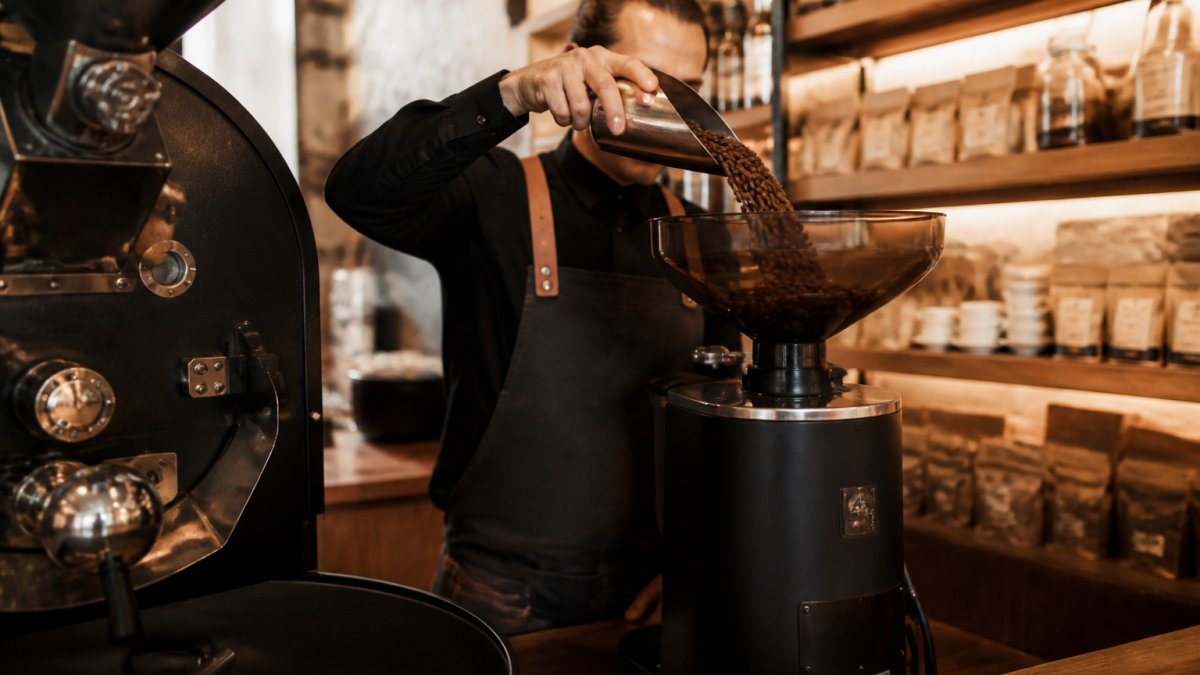
What makes a roastery worth visiting? Access to the roasting process itself. Many welcome visitors to watch beans transform from green to roasted, the color shifts, the development stages, why timing matters.
European coffee roasteries that showcase specialty craft typically offer:
- Transparent sourcing information. You know the farm, the altitude, the harvest date.
- Small-batch roasting. Quantities roasted in smaller volumes allow for precision and experimentation.
- Direct sales to customers. Many roasteries operate their own retail space or café.
- Educational opportunities. Cupping sessions, roasting classes, or farm-to-cup storytelling.
Roasting philosophy varies across Europe: some prioritize light roasts that highlight origin, others darker roasts emphasizing caramel and chocolate notes.
When you visit a roastery, ask about sourcing relationships. The best can name specific farms and farmers, understand the economics of production, and pay prices reflecting fair value.
Coffee Tours in Europe: Beyond the Standard Itinerary
Most coffee tours follow predictable patterns: a café visit, a roastery tour, a tasting. These can be valuable but often miss what makes coffee culture interesting, the neighborhoods, the people, the history embedded in how communities approach coffee.
What distinguishes meaningful coffee tours in Europe:
- Local guides with genuine expertise. Not just trained tour operators, but people embedded in the coffee community.
- Access to working spaces. You see roasteries, cafés, and farms during actual operation, not staged visits.
- Time for conversation. Rushed itineraries don't allow for real connection with baristas or roasters.
- Flexibility in pace. The best tours adapt based on what genuinely interests you, not a fixed schedule.
Coffee tours in Europe rarely include farm visits, since many specialty roasteries source from Africa, Central America, and Asia.
Cafe Trips and Tours specializes in personalized coffee tours that blend cultural immersion with authentic specialty coffee experiences.
Authentic Coffee Experiences in Europe Beyond the Café
Coffee culture extends far beyond café visits, and the experiences below are where the real depth lives, but they're also the hardest to book, since most aren't sold through tourism platforms. Each entry covers what it involves, roughly what it costs, and how to get a seat.
Cupping sessions
A cupping is a structured tasting: several coffees ground and steeped identically, evaluated side by side for aroma, acidity, body, and flavor. It's the professional's tool for judging quality, and most specialty roasteries run public or semi-public cuppings.
- What it costs: Often free or a nominal fee (€5-15) when run as a shop event; formal cuppings at training centers run higher, roughly €25-60.
- How to book: Check the roastery's social media rather than its website, cuppings are frequently announced as one-off events. Email directly and ask if you can join an upcoming session.
- What to expect: 30-90 minutes, standing at a table, spitting into a cup. No prior knowledge required, but curiosity is.
Roasting workshops
Hands-on sessions roasting a small batch on a sample roaster and tasting the result, the clearest way to understand why timing and temperature matter, because you feel the decisions rather than read about them.
- What it costs: Typically €80-200 for a half-day session, sometimes including beans to take home.
- How to book: Offered by roasteries and by dedicated coffee schools in larger cities. Book weeks ahead, class sizes are small.
- What to expect: You will make mistakes, and the mistakes are the lesson. Wear clothes you don't mind getting chaff on.
Brewing workshops and equipment demonstrations
Shorter, cheaper, and more casual than roasting classes. A barista walks a small group through grind size, water temperature, ratio, and pour technique, usually with a hands-on component.
- What it costs: €30-80 for a 90-minute to two-hour session.
- How to book: Often listed on the café's own booking page or announced in-store. Ask at the counter, many are run on demand when enough people express interest.
Farm-to-cup events and producer visits
When a producer travels from an origin country to a roastery, some host public tastings or talks. These are rare, unadvertised, and genuinely special, you're hearing the other end of the supply chain.
- What it costs: Usually free or low-cost; the value is access, not price.
- How to book: There is no system. The only reliable method is to be on a roastery's mailing list or to ask a barista you've built rapport with.
How to find experiences that aren't listed anywhere
The pattern is consistent: these events circulate through relationships, not search results. Three practical moves:
- Follow roasteries and baristas on social media in the cities you plan to visit, starting a month or two before you travel.
- Email with a specific question. "Do you have any cuppings or workshops coming up that a visitor could join?" gets a reply far more often than a generic inquiry.
- Ask in person, at a quiet hour. Mid-morning on a weekday, when the bar isn't slammed, is when a barista has time to tell you what's actually happening in the city.
How to Plan Your Hidden Gem Coffee Journey
Planning a coffee-focused European journey requires a different approach than standard tourism: you're looking for specific expertise, particular neighborhoods, and people worth meeting, not landmarks.
Start by identifying cities with active specialty coffee communities. Research independent roasteries, not chains.
Key planning steps:
- Connect with local coffee communities before you arrive. Email roasteries or cafés with genuine questions. Most coffee professionals are happy to offer recommendations if you show real interest.
- Build flexibility into your itinerary. The best hidden gem coffee experiences happen when you have time to explore, sit, and observe.
- Prioritize neighborhoods over landmarks. Residential areas with independent cafés typically offer more authentic experiences than tourist districts.
- Plan for multiple visits to the same café. You'll understand the space better on a second or third visit. You might meet regulars or learn about the neighborhood's coffee history.
- Consider timing. Morning visits offer different energy than afternoon sessions. Weekday mornings often provide better access to baristas for conversation.
When planning your hidden gem coffee journey, consider working with specialists who understand European coffee culture deeply.
Planning a European coffee journey means stepping beyond standard tourism into authentic specialty coffee culture. The hidden gem coffee experiences worth seeking aren't advertised on billboards, they're discovered through genuine interest in how communities approach coffee, quality, and craft.
Frequently Asked Questions
What exactly qualifies as a hidden gem coffee experience in Europe?
A true hidden gem coffee experience combines three elements: independent ownership by passionate coffee professionals, direct relationships with specialty coffee roasters or bean suppliers, and a focus on quality over volume. These spaces prioritize third-wave coffee culture, often feature single-origin beans, and emphasize brewing methods like pour-over or espresso pulled with precision. They're typically located away from major tourist corridors, frequented by locals who value coffee connoisseurship, and offer distinctive atmosphere, vintage interiors, knowledgeable baristas, or unique neighborhood character. The experience reflects the café owner's personal coffee philosophy rather than a corporate template.
Are coffee tours in Europe worth the investment compared to self-guided exploration?
Coffee tours in Europe deliver value when they're curated by experts who have built direct relationships with roasteries and independent cafés. A well-planned tour eliminates the research burden, provides insider access to spaces that don't advertise widely, and includes education from baristas and roasters about their craft. Self-guided exploration works if you have time to navigate language barriers, verify café quality beforehand, and risk missing lesser-known spots. For discerning travelers seeking authentic experiences without logistical stress, a personalized coffee tour saves time while ensuring you visit genuinely distinctive roasteries and cafés rather than repeating the same tourist destinations.
How do I find authentic specialty coffee experiences rather than tourist-focused cafés?
Look for independent cafés owned by baristas or coffee professionals rather than chains. Search for roasteries with in-house roasting operations and transparent sourcing information about their beans. Check if the café emphasizes brewing methods like filter coffee, cupping tastings, or single-origin espresso. Read reviews from coffee enthusiasts rather than general travel sites. Ask locals where they personally drink coffee. Visit neighborhoods away from main squares and landmarks. Look for cafés that feature local artwork, host barista community events, or display relationships with specific coffee farmers. Authentic experiences prioritize coffee quality, barista expertise, and neighborhood character over convenience or high foot traffic.
What should I expect to pay for specialty coffee in Europe's hidden gem cafés?
Specialty coffee in independent European cafés typically ranges higher than chain alternatives due to quality sourcing and skilled preparation. Pricing varies significantly by country and city. Rather than seeking the cheapest option, focus on value: roasteries with transparent sourcing, baristas trained in coffee culture, and distinctive atmospheres justify premium pricing. A personalized coffee tour bundles these experiences with expert guidance, eliminating the uncertainty of finding quality independently.