 blog
Luxury Pilgrimage Tours for Small Groups: A 2026 Guide
Table of Contents
- What Defines Luxury in Small-Group Pilgrimage Travel
- Small Group Christian Tours: Size, Pace, and Personalization
- Catholic Pilgrimage Tours: Destinations and Spiritual Depth
- Private Pilgrimage Tours: Custom Itineraries and Exclusive Experiences
- Faith-Based Group Travel: What's Included and What Matters
- How to Choose the Right Luxury Pilgrimage Tour for Your Group
- Conclusion: Planning Your Meaningful Journey
- Frequently Asked Questions
Last Updated: October 11, 2026
What Defines Luxury in Small-Group Pilgrimage Travel
Luxury pilgrimage tours for small groups offer spiritual depth, personalized attention, and curated comfort that eliminate logistical stress and allow travelers to focus on their faith journey.
Groups of 8-15 gain reserved entry times at sacred sites, private prayers in chapels, and conversations with local clergy, experiences impossible in groups of 50 or 100.
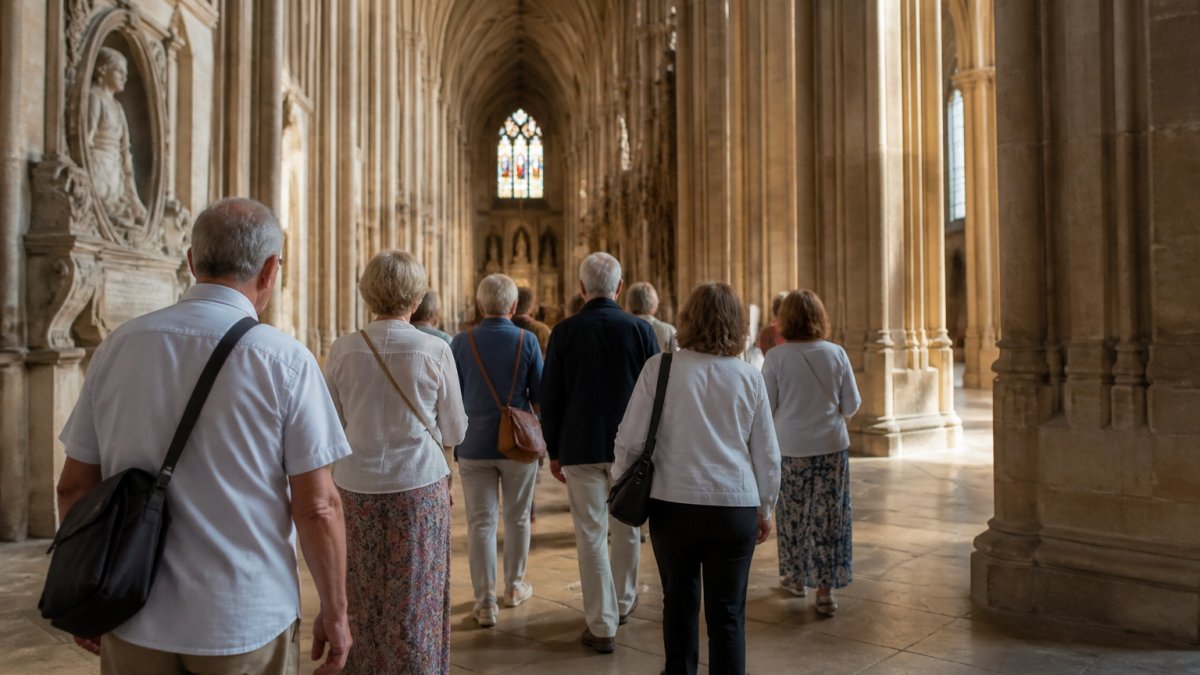
Accommodations reflect pilgrimage destinations: restored convents with frescoes, family-run inns in medieval villages, properties within walking distance of sites. Meals feature local cuisine; private coaches include guides with regional historical knowledge.
Luxury pilgrimage tours prioritize intentional choices: accommodations near sacred sites, guides fluent in your faith tradition, and protected free time for reflection.
Small Group Christian Tours: Size, Pace, and Personalization
Small group Christian tours operate with 8-20 participants, ideally 10-15, allowing guides to know travelers personally while building genuine community.
Smaller groups move differently through sites: no 45-minute waits to light candles, no competing for seats during prayer services, no rushing through basilicas.
Itineraries reflect specific traditions: Protestant groups visit Luther's Wittenberg, Catholic groups focus on Marian sites, others explore monastic history or early Christian martyrdom. Your group's spiritual needs shape the journey.
Flexible pacing allows spontaneous spiritual moments: guides extend time when someone is moved to tears, schedules adjust for unexpected invitations to vespers. These unplanned encounters often become most memorable.
Catholic Pilgrimage Tours: Destinations and Spiritual Depth
Catholic pilgrimage tours center on Rome (Vatican, catacombs, St. Peter's Basilica), Lourdes (miraculous healings since 1858), Fatima (1917 apparitions), and Assisi (St. Francis's monastic order).
These destinations offer reserved access: candlelit processions in Lourdes, rosary services in Fatima, St. Francis's hermitage in Assisi.
Guides with theological training transform visits from sightseeing into spiritual education, explaining why sites matter theologically, not just historically.
Private pilgrimage tours to Catholic destinations often include meetings with local clergy, private masses in side chapels, and access to reliquaries and sacred objects typically closed to public tours. Some operators arrange confessions with English-speaking priests. Others secure time for silent prayer in the most sacred spaces before general admission opens.
Private Pilgrimage Tours: Custom Itineraries and Exclusive Experiences
Private pilgrimage tours begin with your spiritual goals, retracing St. Paul's steps, visiting a saint's sites, exploring faith roots, and build custom itineraries around them.
Custom itineraries allow deep focus: spend a week in one region, three days exploring early Christian archaeology in Rome then retreat to a monastery, or follow St. Paul's missionary journeys through Turkey and Greece with scholarly guides.
Exclusive experiences include private archaeological access, meetings with scholars and monks, private reliquary viewings, monastery library access, and dinners with religious heritage historians.
Private tours blend pilgrimage with cultural immersion, culinary exploration, and other interests, honoring your whole self, not just religious sites.
Faith-Based Group Travel: What's Included and What Matters
Faith-based packages vary widely: some include only transportation and hotels; others cover accommodations, all meals, guided tours, entrance fees, and private spiritual services. Understanding these distinctions is essential.
Typical Pricing and Inclusions Structure
Luxury small-group pilgrimage tours typically cover:
- Accommodations: In historic properties (convents, family-run inns, restored monasteries)
- Meals: Local cuisine
- Ground transportation: Private coach with professional driver and guide
- Entrance fees: Major pilgrimage sites, basilicas, and archaeological sites
- Guided services: Expert guide fluent in your faith tradition
- One private spiritual service: A private mass, prayer service, or confession in English
What Is Typically NOT Included
Understanding exclusions prevents budget surprises. Most operators do not include:
- International airfare: Travelers arrange their own flights; some operators offer group booking discounts
- Travel insurance: Highly recommended but optional
- Single-room supplement: If traveling alone, an additional supplement may apply
- Gratuities: Guide and driver tips are customary
- Optional activities: Wine tastings, cooking classes, or additional guided excursions beyond the itinerary
- Personal meals and beverages: Meals not listed in the itinerary, alcoholic drinks beyond included wine, and snacks
- Visa fees or vaccinations: Required for some destinations
Deposit and Payment Terms
Ask if deposits are refundable if the tour is canceled due to circumstances beyond the operator's control.
Transparency Red Flags
Avoid operators who avoid itemizing costs, quote "all-inclusive" vaguely, or pressure booking before detailed breakdowns.
| Cost Element | Typical Range | Notes |
|---|---|---|
| Base tour price (7 days) | $2,500-$6,000 | Varies by destination, season, group size |
| Single-room supplement | $400-$800 | Not required if sharing a room |
| Travel insurance | $150-$400 | Recommended; covers trip cancellation and medical emergencies |
| Gratuities (guide and driver) | $70-$105 | Customary; not mandatory but expected |
| Optional activities | $100-$500 | Wine tastings, cooking classes, additional guided tours |
| International airfare | $600-$1,500 | Highly variable; not included |
Group Size and Per-Person Costs
Smaller groups pay more per person than larger groups because fixed costs divide among fewer travelers.
What Separates Luxury Inclusions from Standard Offerings
Premium pricing justifies reserved entry times (no lines with thousands), private spiritual services in your language, and expert guides with theological training who transform sites into learning experiences.
Luxury tours specify accommodations precisely: proximity to sites, architectural character, meal quality, amenities.
Transportation logistics matter more in pilgrimage travel than in casual tourism.
How to Choose the Right Luxury Pilgrimage Tour for Your Group
Choosing the right tour requires clarity on spiritual goals (healing, deepening faith, honoring a saint, tracing heritage) and mobility needs.
Define Your Spiritual Goal and Tradition
Evaluate operator experience in your faith tradition. Catholic specialists may lack Protestant Reformation expertise; Holy Land specialists may lack European route knowledge.
Assess Group Composition and Mobility Needs
Church congregations, friends, and multi-generational groups have different needs.
Before selecting a tour, inventory your group's mobility profile:
- Walking distance and terrain: How far can your group comfortably walk daily? Are there members with knee, hip, or back issues? Many pilgrimage sites involve cobblestone streets, uneven floors in ancient basilicas, and stairs without handrails. Ask the operator for specific details: "How many miles of walking per day? What percentage of the itinerary involves stairs, uneven terrain, or standing for extended periods?"
- Pace and rest time: Do you need frequent breaks? Can your group sustain 8-10 hours of guided touring daily, or do you need shorter days with afternoon rest? Luxury operators should offer flexible pacing, not a rigid schedule.
- Accessibility accommodations: If your group includes wheelchair users, ask whether sites are wheelchair-accessible and whether the operator has experience navigating accessibility challenges at historic religious sites (many are not fully accessible). Some sites offer accessible entrances that bypass main crowds; experienced operators know these routes.
- Medical support: Does your group include members with chronic conditions (diabetes, heart conditions, mobility aids)? Ask whether the guide is trained in first aid, whether the coach has a wheelchair lift, and whether the operator can arrange medical support in-country if needed.
- Dietary and accessibility needs: Beyond mobility, clarify whether the operator can accommodate dietary restrictions (vegetarian, gluten-free, allergies), hearing aids, visual impairments, or other access needs. Luxury operators customize meals and provide guides experienced in working with diverse accessibility requirements.
Questions to Ask About Accessibility
When vetting operators, ask these specific questions:
- "Can you describe the physical demands of each day's itinerary in detail, walking distance, terrain type, stairs, standing time?"
- "What accommodations do you offer for members with mobility limitations? Can we arrange a shorter itinerary or alternative activities?"
- "Are your hotels accessible? Do rooms have grab bars, roll-in showers, or elevators?"
- "How do you handle sites that are not wheelchair-accessible? Do you have alternative entrances or viewing options?"
- "Is your guide trained in accessibility best practices? Can they communicate with members who are deaf or hard of hearing?"
- "What is your cancellation policy if a group member becomes ill or injured mid-tour?"
- "Do you carry accessibility equipment (folding canes, cushions for standing, portable ramps)?"
Evaluate Operator Experience and References
Transparency about pricing and inclusions separates trustworthy operators from those hiding costs.
Ask for references from groups with similar composition and mobility profiles.
Assess Flexibility and Free Time
Ask about the operator's approach to free time and flexibility. How much time is built in for personal prayer or rest?
Luxury pilgrimage tours should balance structure with flexibility.
Verify Theological Depth and Cultural Sensitivity
Request a sample itinerary and ask how the guide approaches each site. Does the itinerary explain the theological significance of each location?
The best operators employ guides with formal theological training in your faith tradition, not just historical knowledge.
Conclusion: Planning Your Meaningful Journey
Planning a luxury pilgrimage tour protects space for spiritual growth while eliminating logistical stress. Luxury means thoughtful curation, meaningful access, and guides who deepen understanding.
At Cafe Trips and Tours, we design pilgrimage journeys that blend spiritual depth with cultural immersion and the authentic experiences our clients seek. Led by Martin Guerra, our team specializes in custom itineraries infused with faith, culture, and coffee experiences, transforming your pilgrimage into a precisely planned, unforgettable adventure. Contact Cafe Trips and Tours to discuss your group's spiritual goals and begin planning your meaningful journey.
Frequently Asked Questions
What is a small-group pilgrimage tour, and how is it different from a standard group tour?
A small-group pilgrimage tour combines faith-based travel with intimate group dynamics, typically accommodating 8-20 travelers rather than 40-50. The smaller size allows for deeper spiritual reflection, more personalized attention from guides and leaders, and flexibility to adjust the itinerary based on group needs. Luxury pilgrimage tours add premium accommodations, fine dining, private transportation, and exclusive access to religious sites, often outside standard operating hours. This combination creates a meaningful travel experience that balances community with comfort.
What destinations are popular for Catholic pilgrimage tours?
Rome remains the primary destination for Catholic pilgrims, offering Vatican City, St. Peter's Basilica, and centuries of Christian heritage. Lourdes in France draws millions seeking spiritual renewal. Fatima in Portugal is central to Marian devotion. Poland attracts pilgrims to sites connected to St. John Paul II. Ireland's monastic heritage and holy wells appeal to those exploring Celtic Christianity. Many luxury tours combine multiple destinations, for example, a Rome-to-Mediterranean itinerary that includes stops in Greece or the Holy Land. Custom itineraries can emphasize specific saints, theological themes, or regional spiritual traditions.
How many people are typically on a small-group pilgrimage tour?
Small-group pilgrimage tours typically accommodate 8-20 travelers, though the exact size depends on the destination and tour operator's philosophy. Smaller groups of 8-12 allow for more intimate spiritual experiences and easier logistics at sacred sites. Groups of 15-20 maintain community energy while still offering personalized service. Luxury providers often cap groups lower to ensure each traveler receives attentive care, exclusive access to guides, and flexibility to accommodate individual needs or mobility considerations. Private group tours can be customized to any size, from a single family to a specific church congregation.
Can a pilgrimage itinerary be customized for a private group, and what does that process look like?
Yes, private pilgrimage tours can be fully customized to reflect your group's faith tradition, spiritual goals, and travel preferences. The planning process typically begins with a consultation to understand your group's composition, pilgrimage focus (specific saints, biblical sites, spiritual themes), preferred destinations, and budget. A travel specialist then designs a tailored itinerary that balances structured spiritual experiences with free time for personal reflection. This might include private access to religious sites, meetings with local clergy or spiritual guides, and integration of meaningful activities like group prayer or service projects. Customization extends to accommodations, dining, transportation, and pacing, ensuring the journey aligns with your group's unique vision.