 ultimate-guide
Custom Faith Based Travel Itineraries: A 2026 Guide
Table of Contents
- What a Custom Faith Based Travel Itinerary Actually Includes
- Faith-Based Travel Itinerary Examples: Three Real Trip Shapes
- How to Organize a Church Group Trip Without Losing Your Mind
- Choosing Luxury Religious Tour Operators: What Separates Boutique from Booking Sites
- Accessibility and Inclusivity for Elderly Pilgrims
- Budgeting and Cost Transparency for Faith-Based Travel
- Sustainable and Ethical Religious Tourism
- Conclusion
- Frequently Asked Questions
Last Updated: October 2, 2026
What a Custom Faith Based Travel Itinerary Actually Includes
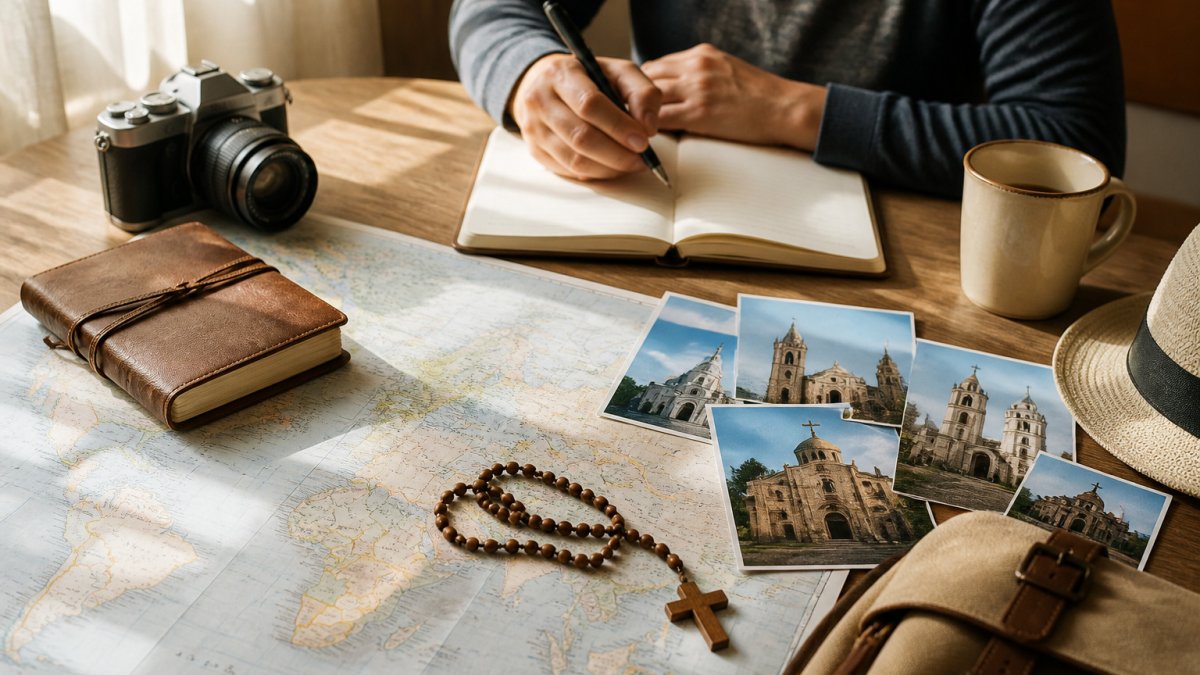
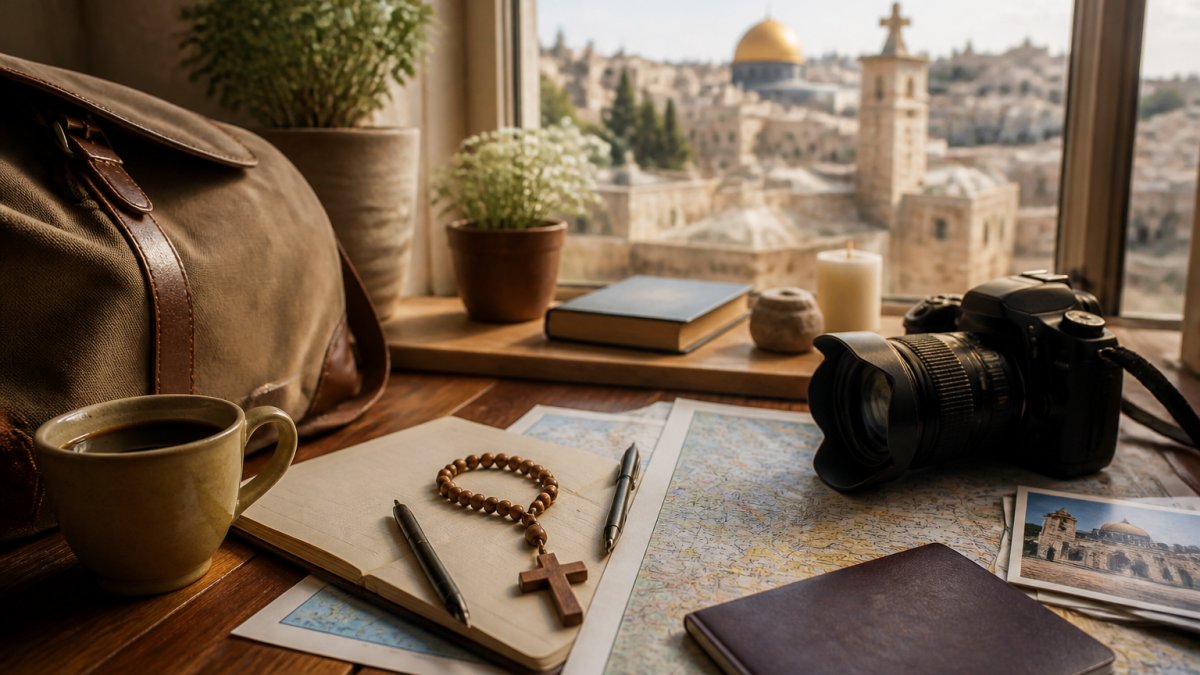
A custom faith based travel itinerary is a fully personalized journey built around your devotional goals, your pace, and your group, rather than a fixed coach departure shared with strangers. At Cafe Trips and Tours, we build these trips around sacred sites, cultural immersion, and coffee.
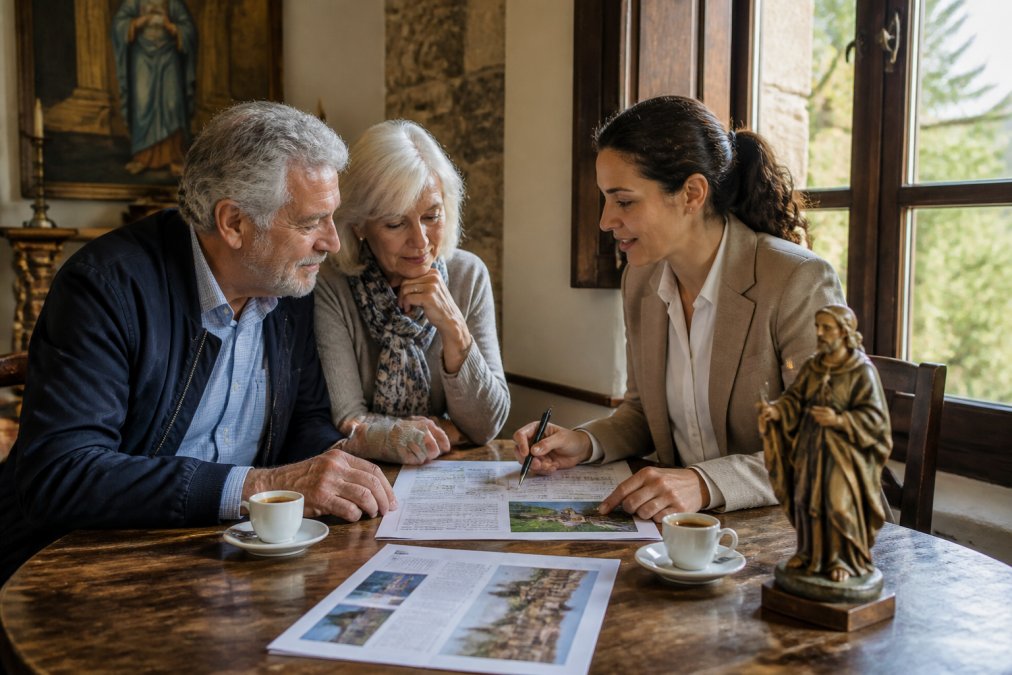
Private Touring vs. Fixed Group Departures
Private touring means the schedule bends to you. Fixed departures mean you bend to the schedule. If someone in your party needs a slower morning, a private itinerary absorbs that without costing the group a stop. Group travel is cheaper per person and socially rewarding; private touring is quieter, more flexible, and better suited to mixed-ability parties.
What Drives the Cost of a Custom Pilgrimage
Pricing depends on dates, group size, lodging tier, and how much private guiding you want. Four levers move the number most:
- Season and religious calendar timing
- Hotel category and room configuration
- Private versus shared transport between sites
- Add-ons such as expert-led coffee tastings or private Mass arrangements
Faith-Based Travel Itinerary Examples: Three Real Trip Shapes
Faith-based travel itinerary examples usually fall into recognizable shapes, and knowing yours early saves weeks of back-and-forth. Here are three we build most often.
The 10-Day Footsteps of Saints Walk
Ten days, one region, minimal hotel changes. Mornings at shrines and cathedrals, afternoons walking historic religious landmarks at an unhurried pace, evenings free. This shape suits retirees who want depth over distance.
The Coffee and Cathedrals Circuit
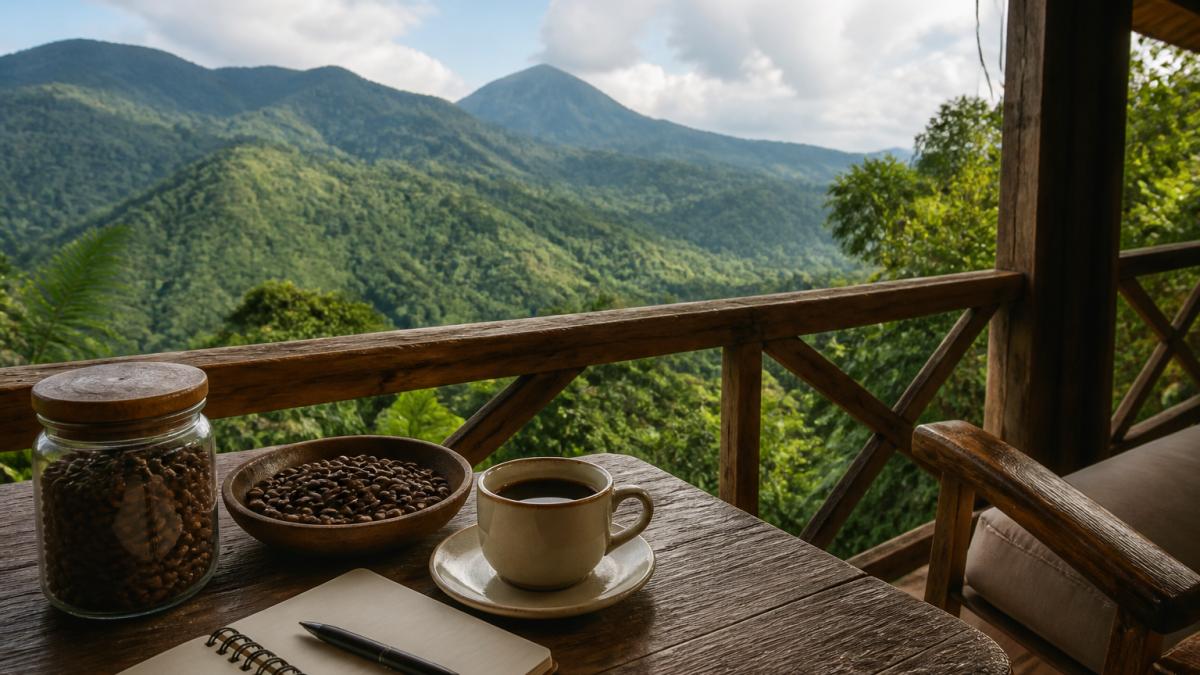
A hybrid for travelers who want devotional travel and craft coffee in the same trip. Cathedral visits anchor the mornings; afternoons go to roasteries and estate visits with a local expert. It is the itinerary most people do not know they can ask for.
| Trip Shape | Length | Best For | Pace |
|---|---|---|---|
| Footsteps of Saints Walk | 10 days | Retirees, small groups | Slow, one region |
| Coffee and Cathedrals Circuit | 7-12 days | Couples, coffee enthusiasts | Moderate, hybrid |
| Group Pilgrimage | 8-14 days | Church groups of 15+ | Structured, shared |
How to Organize a Church Group Trip Without Losing Your Mind
Organizing a church group trip comes down to one principle: one person owns the trip. Committees plan well and execute badly. The second principle is less popular but just as true, the group's mobility profile and budget ceiling should be settled before anyone opens a browser tab.
The Accessibility Intake Most Groups Skip
Accessibility is the most overlooked element in faith-based travel, and it is the one that ruins trips. Many sacred sites sit on hills, in old towns, or behind stairs. Build the itinerary around energy, not ambition. Two half-days beat one full day.
- Can you walk 15 minutes without resting, on uneven stone?
- Do you use a cane, walker, or wheelchair, and is it collapsible for coach storage?
- Do you need a ground-floor room, or can you manage one flight of stairs?
- Do you need to sit during a service, and how far can you sit from the group?
- Are there dietary or medication timing needs that affect meal scheduling?
The Group Budget Framework
Cost transparency in faith-based travel means one thing: a line-item quote. Any operator quoting a single lump sum is hiding where the money goes. Ask for lodging, transport, guiding, meals, and entrance fees listed separately.
- Lodging and room configuration
- Private transport and driver hours
- Guiding and expert-led sessions
- Meals, entrance fees, and gratuities
- Contingency buffer
The Deposit Deadline That Saves the Trip
Set a deposit deadline early and hold it. A common mistake is collecting interest verbally and never converting it to money; half the roster evaporates and the per-person cost jumps. When the roster shrinks after the operator has already blocked rooms and coaches, the remaining travelers absorb the difference.
- Confirm group size and deposit by a fixed date
- Collect passport and mobility information up front
- Choose one decision-maker for the operator
- Set a single payment schedule with clear deadlines
- Name a backup leader for the days the primary leader is unavailable
Group Leaders: The One Job You Cannot Skip
A group leader is the single point of contact who handles questions, collects payments, and relays changes. Without one, every traveler contacts the operator directly and details slip. Pick someone organized, not someone senior. The best group leaders are the ones who answer email the same day and keep a shared spreadsheet everyone can see.
Choosing Luxury Religious Tour Operators: What Separates Boutique from Booking Sites
Luxury religious tour operators split into two camps: boutique agencies that build from scratch, and booking platforms that resell existing departures. The difference shows up when something goes wrong.
Five Questions That Separate Builders from Resellers
Ask any operator these before you commit. Vague answers mean a reseller.
- Who is my contact while I am traveling, and what are their hours in my time zone?
- Can you show me a past itinerary with the dates and hotel names still on it?
- What happens if a site closes for a religious holiday or a service runs long?
- How do you handle a traveler who needs to sit out a day, is there a rest-day plan?
- Will the quote be line-item, or a single lump sum?
The Cost-Transparency Test
Cost transparency is the fastest way to tell a boutique from a reseller. Ask for lodging, transport, guiding, meals, and entrance fees listed separately. A line-item quote lets a group leader compare two proposals honestly, because headline numbers hide the difference between a four-star property near the shrine and a four-star property forty minutes away.
What Boutique Handling Actually Looks Like
Cafe Trips and Tours is a boutique agency led by founder Martin Guerra, and clients consistently mention that the trip simply went smoothly, transfers, hotels, and all. That is what precision handling actually feels like on the ground: the itinerary was written by the person answering your questions, and the same person is reachable when a detail shifts.
Where the Money Goes, and Why It Matters
Luxury in this category is not marble lobbies. It is proximity, pacing, and a single accountable contact. A property two blocks from the shrine is worth more to a group with mobility needs than a resort with a spa. A private transfer that waits through a long service is worth more than a coach on a fixed clock.
Accessibility and Inclusivity for Elderly Pilgrims
Accessibility is the most overlooked element in faith-based travel, and it is the one that ruins trips. Many sacred sites sit on hills, in old towns, or behind stairs.
Budgeting and Cost Transparency for Faith-Based Travel
Cost transparency in faith-based travel means one thing: a line-item quote. Any operator quoting a single lump sum is hiding where the money goes.
- Lodging and room configuration
- Private transport and driver hours
- Guiding and expert-led sessions
- Meals, entrance fees, and gratuities
- Contingency buffer
Sustainable and Ethical Religious Tourism
Ethical religious tourism means the communities hosting your pilgrimage benefit from it. That starts with where you sleep and eat.
Conclusion
The hard part of a custom faith based travel itinerary is not choosing the sites. It is coordinating lodging, transport, accessibility, group payments, and devotional timing so nothing collides. That coordination is exactly what Cafe Trips and Tours handles, with custom itineraries blending culture, faith, and coffee, personalized planning led by Martin Guerra, and precision handling of every travel detail from first quote to final transfer.
Frequently Asked Questions
What is included in a custom faith-based travel itinerary?
A custom faith based travel itinerary typically bundles private or small-group touring of sacred sites, daily Mass or devotional time, licensed guides trained in religious heritage, accommodations near holy shrines or cathedrals, ground transfers, and most meals. Boutique planners also build in downtime, accessibility support, and cultural immersion like local culinary experiences. Because every element is tailored, pricing depends on dates, group size, and hotel tier, so request a quote rather than relying on generic figures.
How far in advance should I book a custom religious tour?
For small groups of two to six, six to nine months gives planners enough runway to secure desirable hotels near sacred sites and preferred guides. Church group trips of 20 or more often need 12 to 18 months, especially around major feast days or jubilee years when pilgrimage traffic spikes. If your dates are fixed around a milestone anniversary or ordination, start the conversation a year out. Flexible travelers can sometimes move faster, but peak-season space near holy shrines disappears early.
Can faith-based travel itineraries include cultural and culinary experiences?
Yes, and the strongest ones do. Faith-centered trips pair devotional time with cultural immersion: a morning at a historic cathedral, an afternoon in a local market, an evening meal rooted in the region's religious tradition. Coffee experiences fit naturally here, since roasting and brewing cultures often grew alongside monastic and trading routes. Ask your planner to build in at least one hands-on culinary or coffee session so the trip engages all the senses, not just the schedule.
What makes a faith-based travel experience 'luxury'?
Luxury in this context means precision, not gold fixtures. It looks like private touring instead of a 50-person bus, hotels within walking distance of the sites you came to see, a single point of contact handling every travel arrangement, and itinerary flexibility when a group wants to linger. It also means accessibility planning, quiet spaces for reflection, and guides who know the devotional history, not just the dates. The measure is whether the logistics disappear so the spiritual journey stays front and center.
How do I organize a church group trip without doing all the work myself?
Start by naming one group leader who owns communication and decisions. Then hand the itinerary planning, travel coordination, and booking to a boutique agency that has run faith-based group travel before. A good planner will handle rooming lists, dietary needs, accessibility requests, and contingency plans, while your group leader focuses on the spiritual preparation of the group. Ask for a written timeline of deposit deadlines and document requirements so nothing lands on you at the last minute.
Do custom itineraries work for elderly pilgrims with mobility limitations?
They work especially well, because custom means the route adapts to the traveler. Planners can select hotels with elevators, arrange wheelchair-accessible transfers, shorten walking segments, and build in rest periods between sacred sites. Some holy shrines have uneven cobblestones or steep approaches, so a planner who has walked them can flag which visits need a vehicle drop-off or a seated alternative. Share mobility needs at the first conversation, not after the itinerary is drafted.