 ultimate-guide
Find Authentic Coffee Experiences: A Traveler's Guide
Table of Contents
- What Defines an Authentic Coffee Experience
- How to Evaluate Coffee Roasters and Sourcing Practices
- Coffee Culture Immersion Tips for Travelers
- How to Find Local Roasters and Hidden Gems
- Cupping and Tasting Notes: Understanding What You're Experiencing
- Budget-Friendly Authentic Experiences
- Frequently Asked Questions
Last Updated: September 27, 2026
What Defines an Authentic Coffee Experience
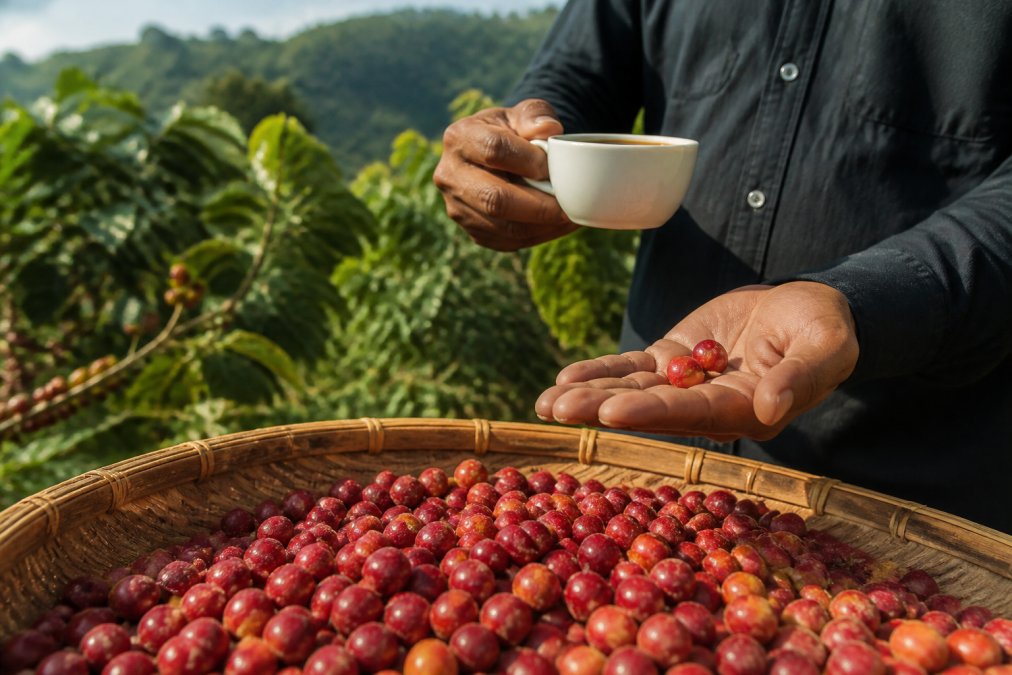
An authentic coffee experience goes beyond ordering a cappuccino at a chain café. It's a direct connection between you and the people who grow, roast, and brew the coffee, where transparency, craft, and cultural context matter as much as the flavor in your cup.
Real coffee experiences prioritize sourcing transparency and single-origin coffees that showcase terroir, the environmental factors shaping that specific harvest, fundamentally different from mass-produced blends designed for consistency rather than character.
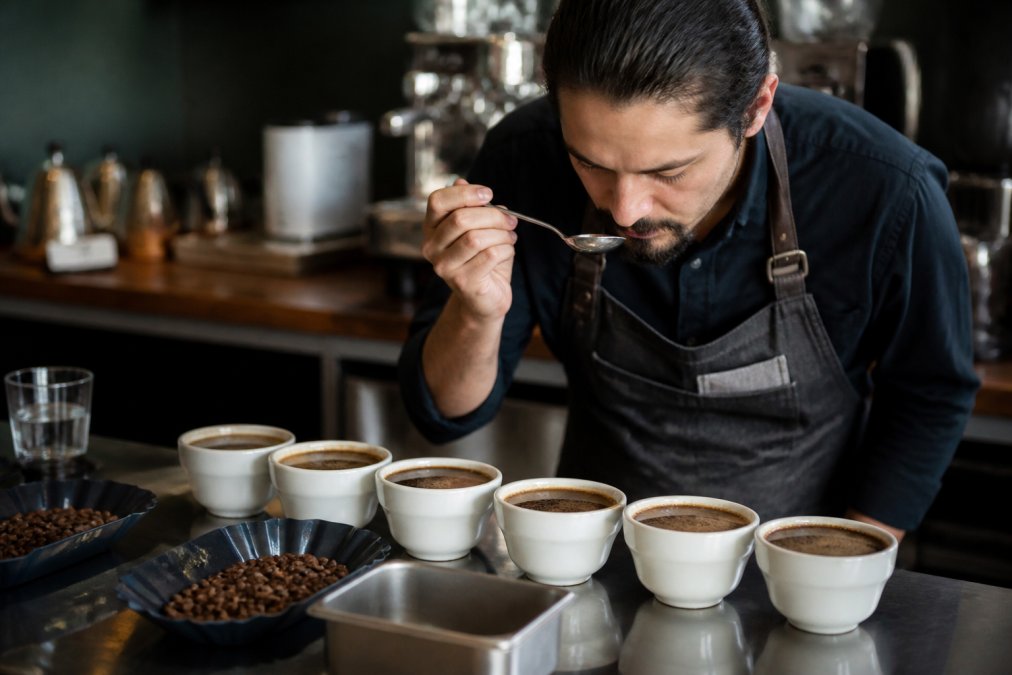
A proper cupping examines aroma, body, acidity, and tasting notes. An authentic coffee experience teaches you to notice these details, transforming coffee from a caffeine delivery system into a genuine cultural practice.
Cafe Trips and Tours designs coffee journeys that immerse travelers in the world of coffee, not as tourists observing from the sidelines, but as participants learning directly from roasters, baristas, and farmers who've dedicated their lives to the craft.
How to Evaluate Coffee Roasters and Sourcing Practices
Not every roaster claiming to be "specialty" operates with the same standards. Evaluating a roaster means distinguishing genuine ethical sourcing from greenwashing, where companies use sustainability language without substantive practices.
The Transparency Hierarchy
Level 1: Commodity Sourcing (Minimal Transparency) Roasters provide only country or region. They cannot name specific farms, elevations, or processing methods. This indicates no direct farmer relationships or quality differentiation.
Level 2: Regional Transparency (Moderate) Roasters specify region, altitude range, and processing method. They publish tasting notes and may mention cooperative sourcing. This indicates some sourcing intentionality but stops short of farm-level accountability.
Level 3: Farm-Level Transparency (High) Roasters publish specific farm names, farmer names, elevations, harvest dates, and lot numbers. They share farm visit photos and explain the farmer's story. This indicates direct relationships and traceability.
Level 4: Full-Chain Transparency (Highest) Roasters publish pricing breakdowns showing what percentage reaches the farmer, roasting costs, and retail margin. They name the importer, exporter, and farmer. This rare transparency signals complete accountability.
Red Flags for Greenwashing
Watch for these greenwashing red flags:
Vague Certification Claims A roaster claims "ethically sourced" without naming the certifying body or providing a certificate number. Legitimate certifications (Fair Trade, Rainforest Alliance, Organic) are specific and verifiable.
"Supporting Local Farmers" Without Details Generic language without naming farmers, publishing prices paid, or showing farm photos is a warning sign.
Premium Pricing Without Transparency A roaster charges specialty prices ($18-22 per pound) but provides only vague sourcing information. The premium may reflect marketing rather than quality.
"Direct Trade" Claims Without Proof Direct trade is unregulated. If a roaster can't name the farmer or farm, it's likely marketing language.
Verification Checklist
Use this checklist when evaluating a roaster's sourcing practices:
Transparency Markers
- Roaster publishes specific farm names (not just "cooperative" or "collective")
- Elevation data is exact (e.g., "1,950 meters") not a range
- Harvest date or season is specified
- Processing method is detailed (washed, natural, honey, anaerobic fermentation, etc.)
- Tasting notes are provided and specific (not generic descriptors)
- Roaster can name the farmer or farm owner
Relationship Indicators
- Roaster website includes farm visit photos or farmer interviews
- Roaster can explain why they chose this specific farm
- Roaster publishes the price paid to the farmer (or percentage of retail price)
Certification and Accountability
- If claiming Fair Trade, roaster displays the Fair Trade certification number
- If claiming Organic, roaster displays USDA Organic certification
- If claiming direct trade, roaster can name the importer and exporter
- Roaster's website includes a sourcing or ethics page with detailed information
- Roaster is transparent about which beans are direct trade vs. other sourcing models
Quality Indicators
- Roaster specializes in a specific roast profile (light, medium, or dark) rather than roasting all beans identically
- Roaster offers cupping sessions or tasting notes education
- Roaster can explain how processing method affects flavor
- Roaster discusses terroir and how altitude or climate influenced this specific bean
Direct Trade vs. Fair Trade vs. Conventional
These sourcing models operate differently. Understanding the distinctions helps you choose based on your values.
Direct Trade Roaster buys directly from farmer, cutting out middlemen. Farmer receives higher prices ($3-5+ per pound vs. $1-2 commodity prices), roaster gains quality control and relationship. Drawback: not scalable to commodity volumes, and direct trade is unregulated.
Fair Trade Certification Third-party certifier verifies minimum prices and labor standards. Ensures minimum farmer compensation ($1.40+ per pound for conventional, $1.70+ for organic) and accountability through audits. Drawback: focuses on minimum standards rather than premium quality, doesn't guarantee farmer prosperity.
Conventional Sourcing Roaster buys through importers and brokers. Benefits: scalable, affordable, established supply chains. Drawback: limited traceability, farmer receives commodity prices, no direct relationship or accountability. Most commercial coffee uses this model.
Roasting Profile as a Quality Signal
How a roaster treats beans reveals their priorities.
Light Roast Specialization Light roasting preserves acidity, brightness, and terroir flavors, requiring high-quality beans. A roaster specializing in light roasts signals confidence in bean quality and commitment to transparency.
Medium Roast Balance Medium roasts balance origin and roasted flavors. This versatile profile works across bean qualities.
Dark Roast Emphasis Dark roasts emphasize body and roasted character, which can mask origin distinctions.
Small-Group vs. Large Commercial Tours
Coffee tours range from intimate experiences with 4-6 people to large groups of 30 or more. The size dramatically affects what you'll learn and how much access you'll receive.
Coffee Culture Immersion Tips for Travelers
Immersing yourself in coffee culture means participating in local rituals. Different regions have distinct coffee traditions shaped by history, geography, and social practice.
How to Find Local Roasters and Hidden Gems
Finding authentic local roasters requires moving beyond tourist guides and major chains through digital tools and map-based filtering.
Digital Tools for Third-Wave Discovery
Search Google Maps for "specialty coffee" plus your destination. Filter by rating and review count, shops with 200+ reviews typically indicate authentic operations. Read reviews for mentions of "single-origin," "direct trade," "cupping," or "roasting on-site."
Neighborhood Mapping and Walk Patterns
Plot candidate roasters on a map and look for clusters in residential neighborhoods. Walk these areas during morning hours (7-10 a.m.) to observe foot traffic and identify community spaces where people linger.
Verification Through Direct Conversation
Once you've found a candidate roaster, ask specific questions that reveal their sourcing practices:
- "Where do these beans come from?" Listen for specificity: farm name, region, elevation, and processing method. Vague answers ("Central America") indicate commodity sourcing.
- "Do you roast these beans here?" Confirm on-site roasting. Ask when they roast next.
- "Can you tell me about the farmer or farm?" Roasters with direct relationships can describe the farm, the farmer's name, and growing conditions. They often have photos.
- "What's your roast profile for this bean?" Knowledgeable roasters explain why they chose light, medium, or dark roast for that specific origin.
- "Do you offer cupping sessions?" This indicates a commitment to education and transparency.
Building a Personal Database
Document roasters you discover: take photos of sourcing information, note staff names, and record which beans impressed you. This creates a personal reference library and helps you recognize patterns.
Cupping and Tasting Notes: Understanding What You're Experiencing
Coffee cupping is the formal process specialists use to evaluate beans. Learning to cup helps you understand flavor profiles and develop your palate.
Budget-Friendly Authentic Experiences
Authentic coffee experiences don't require luxury pricing. Strategic choices help you access real coffee culture without overspending.
| Evaluation Criteria | What to Look For | Why It Matters |
|---|---|---|
| Sourcing Transparency | Farm names, elevation, harvest dates, processing method | Indicates commitment to quality and direct relationships |
| Roasting Profile | Light, medium, or dark roast specialization | Determines whether origin flavors or roasted character dominates |
| Tour Group Size | 4-6 people vs. 20+ people | Affects depth of conversation and personalized attention |
| Direct Trade Relationship | Roaster visits farms, publishes farmer names | Ensures fair compensation and quality accountability |
| Tasting Experience | Cupping sessions, flavor note education | Develops your palate and deepens appreciation |
Frequently Asked Questions
What defines an authentic coffee experience?
An authentic coffee experience goes beyond drinking coffee, it involves understanding the journey from farm to cup. Look for experiences that emphasize direct trade relationships, transparency about sourcing, and connection to local coffee culture. Authentic experiences prioritize the sensory elements (aroma, body, acidity, aftertaste) and the story behind the beans, rather than treating coffee as a commodity. Third-wave coffee culture emphasizes this philosophy: celebrating single-origin beans, artisanal roasting profiles, and the expertise of baristas who can explain the flavor profile and processing method of each coffee.
How can I distinguish between independent local roasters and commercial coffee chains?
Independent local roasters typically source directly from specific coffee farms, publish their roasting dates, and can explain their sourcing transparency and direct trade practices. They often offer cupping sessions or brewing demonstrations. Commercial chains prioritize consistency and volume over origin stories and may source from multiple suppliers without detailed traceability. Visit a roastery in person: independent roasters welcome questions about their micro-lots, extraction methods, and terroir. Check their websites for sourcing information and community involvement, local roasters often host coffee culture events and support their communities beyond selling coffee.
What should I look for when evaluating a coffee tour?
Evaluate coffee tours based on group size (smaller groups allow deeper immersion), access to actual coffee farms or roasteries (not just retail shops), and whether the guide has expertise in coffee culture and farming practices. Ask if the tour includes cupping sessions, meetings with roasters or farmers, and opportunities to learn about processing methods and flavor profiles. Check whether the tour emphasizes ethical sourcing and fair trade practices. Read reviews from previous travelers about the sensory experience and whether the tour felt rushed or genuinely immersive. The best tours blend hands-on learning with cultural context and local community engagement.
Are there affordable ways to experience authentic coffee culture while traveling?
Yes. Visit local coffee shops in residential neighborhoods rather than tourist areas, these often feature independent roasters and skilled baristas who share knowledge freely. Many specialty coffee roasteries offer free or low-cost cupping sessions during business hours. Explore coffee markets or farmer's markets where local roasters sell directly. Take walking tours led by local coffee enthusiasts (often cheaper than packaged tours). Learn basic brewing methods like pour-over or immersion brewing to appreciate the craft yourself. Engage with baristas about their single-origin beans and roasting profiles, genuine coffee conversations cost nothing and deepen your understanding of coffee culture and terroir.